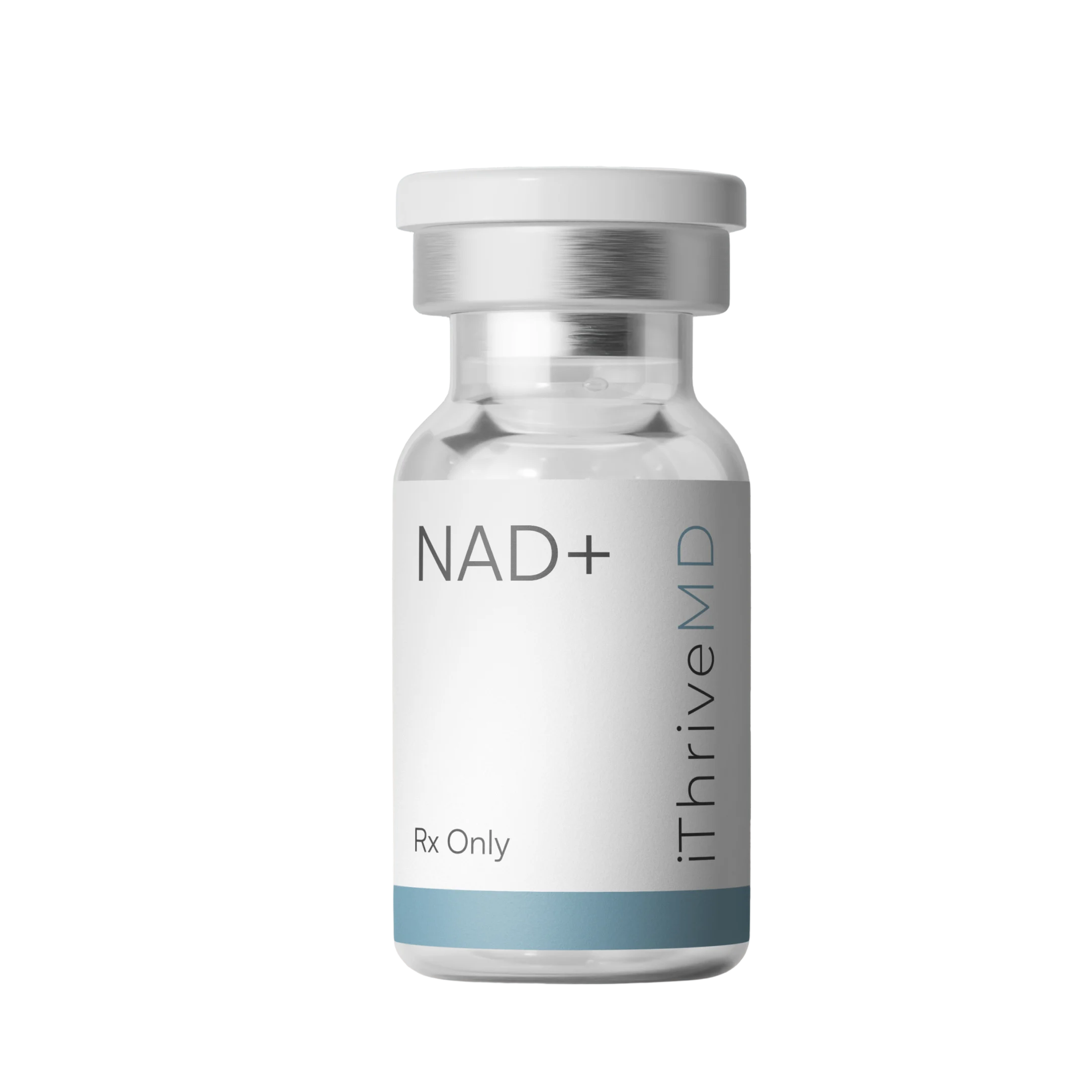
Diagnostic Labs
$499.00
Comprehensive lab panel
Your body reveals signs long before symptoms occur. Our comprehensive lab panels identify hidden risk factors for heart disease, diabetes, cancer, cognitive decline, and muscle loss — providing you with essential data to take proactive measures early.
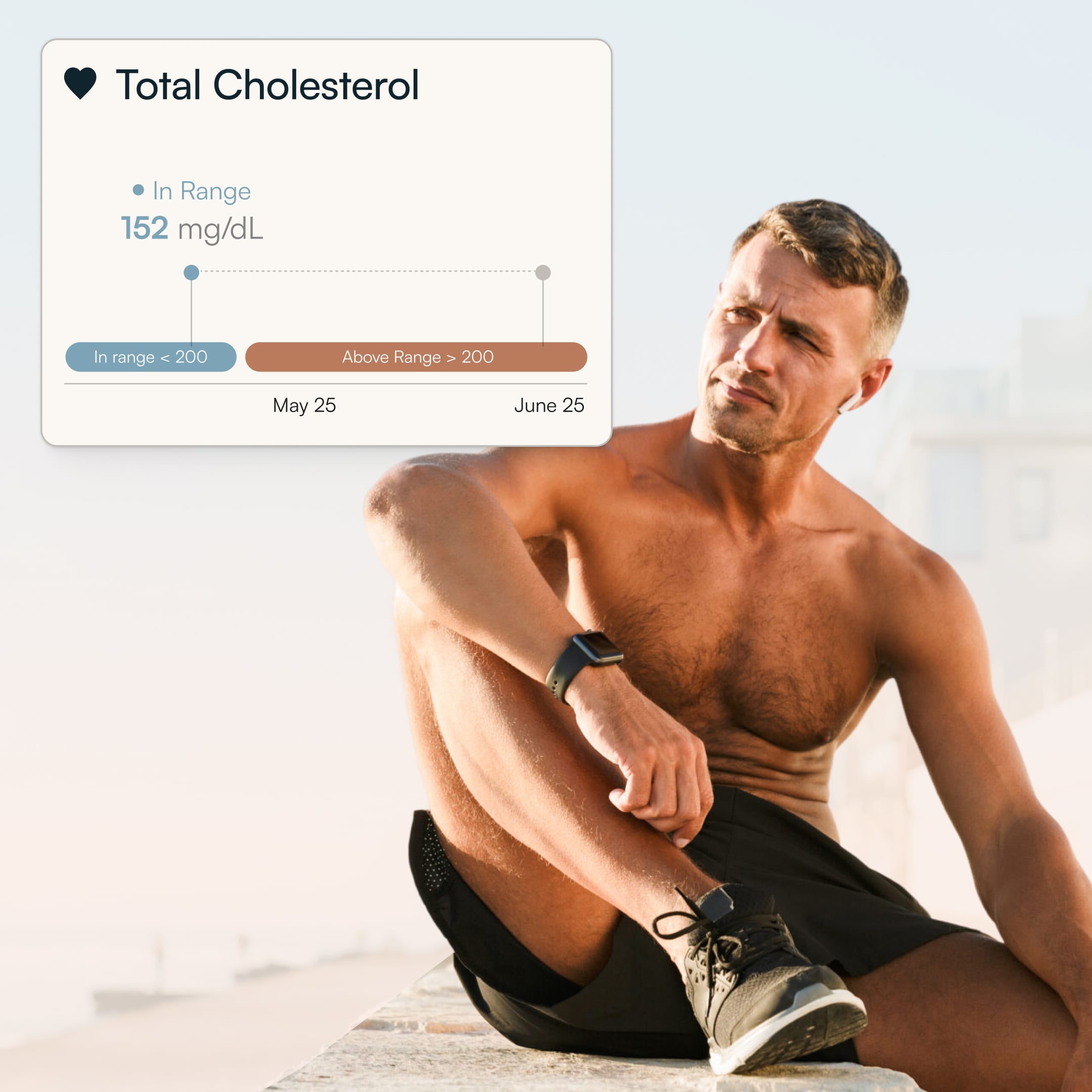
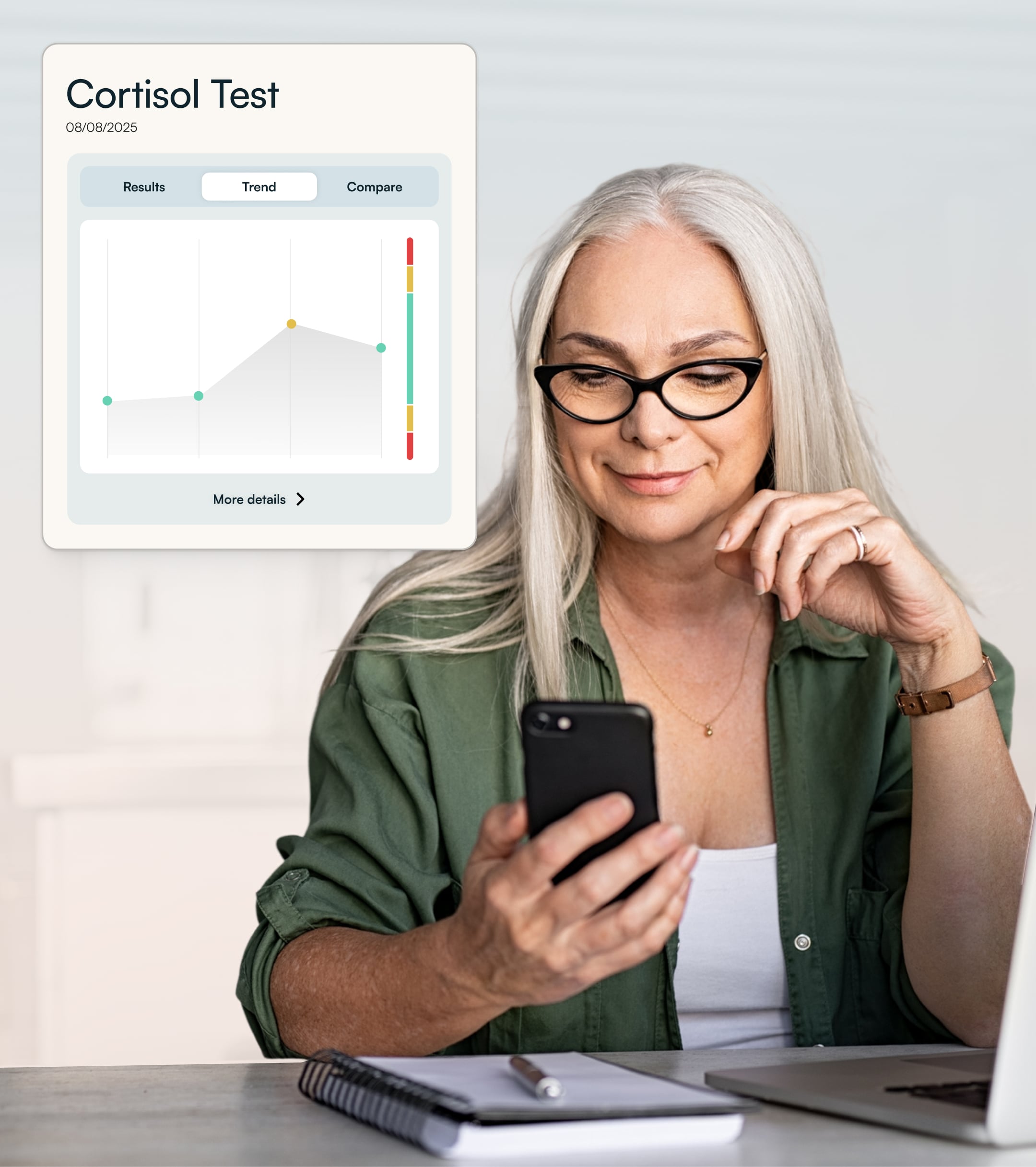
Amylase and lipase are digestive enzymes produced by the pancreas that break down carbohydrates and fats, respectively. Elevated levels of these enzymes can indicate pancreatic inflammation or damage, commonly known as pancreatitis. Monitoring these enzymes is essential for maintaining metabolic health, as proper pancreatic function is crucial for digestion, blood sugar control, and the prevention of diabetes-related complications.
DHEA Sulfate measures levels of an important adrenal hormone that serves as a building block for sex hormones like testosterone and estrogen, playing a crucial role in energy, metabolism, and maintaining muscle mass. Low levels are associated with aging, metabolic syndrome, decreased bone density, and reduced vitality, making it a valuable marker for assessing overall hormonal health and aging status.
Blood Type (ABO Group & Rh) testing identifies your specific blood group—A, B, AB, or O—and determines your Rh factor (positive or negative). This information is crucial for ensuring safe blood transfusions, organ transplants, and effective pregnancy management. While the primary use of blood type testing is for medical compatibility, certain blood types may also be linked to varying risks for diseases, such as cardiovascular conditions and tendencies for blood clotting.
Anti-Müllerian Hormone (AMH) is a key indicator of a woman's ovarian reserve, which reflects her remaining egg supply and reproductive potential. It can help predict the timing of menopause and overall fertility status. Additionally, AMH levels are significant for overall health, as early ovarian decline can impact cardiovascular health, bone density, and muscle mass due to the loss of estrogen.
Rheumatoid Factor (RF) is an antibody test used to help detect rheumatoid arthritis and other autoimmune conditions that cause systemic inflammation in the body. Elevated levels of RF indicate the presence of autoimmune activity, which can lead to joint damage, increased risk of cardiovascular disease, and accelerated muscle loss. Therefore, RF is an important marker for assessing overall inflammatory status.
Zinc testing is used to measure the levels of this essential mineral, which plays a crucial role in various bodily functions, including immune response, wound healing, DNA repair, protein synthesis, and cognitive performance. A deficiency in zinc can result in weakened immunity, poor wound healing, muscle weakness, memory issues, and an increased risk of infections. Therefore, monitoring zinc levels is important for assessing overall health and the body’s ability to recover.
The Beta-Amyloid 42/40 Ratio is a blood test that assesses the balance between two amyloid proteins in your plasma. A lower ratio suggests an increased accumulation of amyloid in the brain, which is a key feature of Alzheimer's disease pathology. This advanced biomarker can identify changes related to Alzheimer's years before symptoms manifest, allowing for early intervention strategies that may slow or prevent cognitive decline.
Lead testing measures the levels of this toxic heavy metal that can build up in the body due to environmental exposure. Lead exposure can harm the brain, kidneys, and cardiovascular system. Even low levels of lead are associated with high blood pressure, cognitive decline, kidney dysfunction, and an increased risk of cardiovascular disease. Therefore, regular monitoring is essential to prevent long-term health issues.
Phosphorylated Tau-217 (p-tau217) is a highly specific blood biomarker that detects abnormal tau protein linked to Alzheimer's disease. Elevated levels of this biomarker indicate active neurodegeneration in the brain and the formation of tau tangles. This advanced test can identify Alzheimer's pathology with remarkable accuracy, even years before symptoms appear, making it one of the most promising blood tests for the early detection and monitoring of Alzheimer's disease progression.
The Iron Panel provides a thorough assessment of your body's iron levels by measuring several key indicators: iron levels, total iron-binding capacity (TIBC), and ferritin (which reflects stored iron). This helps identify both iron deficiency anemia and conditions of iron overload. Maintaining proper iron balance is essential for important bodily functions such as oxygen transport, energy production, immune response, and muscle strength. Both insufficient and excessive iron can lead to serious health issues, including fatigue, weakness, and potential organ damage.




We start with advanced testing, turn your data into a personalized plan, and track progress to keep you improving.


“I’ve lost 31 pounds, and my sleep is fantastic!”

Love the staff and all the amazing encouragement and most definitely the results of the weight loss medication!

The Doctors here are very knowledgeable and friendly. I have been comming here for 5 months and have had such amazing weight loss! I highly recommend I Thrive MD.

They are very good at explaining & guiding me in the direction I should go with procedures without “selling”, which I super appreciate.

I had my first visit at IThrive Encinitas and I am happy I did! The facility was well maintained, clean and bright and as soon as I arrived I was greeted by 2 very polite and professional Receptionists.

The Dr was very thorough and patiently answered all my questions. My first visit was awesome!

I couldn’t be more thankful for iThriveMD! Since I started my journey mid October I’ve lost 25 pounds and feel like a new person! I have way more energy and don’t feel uncomfortable in my own skin anymore.

Their new wellness center in Mission Valley is awesome! So calming and comfortable from the moment you walk in.

I have been coming to iThriveMD ever since they opened up and I am obsessed! This is like my new wellness place that I enjoy coming to when I am feeling down and need to be lifted up!

I’ve been on it for 3 months and lost35 pounds. Fortunately I had no negative side effects. I feel great. Everyone here was very polite and very welcoming.

Great location! Exceptional staff! I truly feel taken care of here! 10/10 recommend.