Semaglutide activates GLP-1 receptors only. Tirzepatide activates both GIP and GLP-1 receptors. Both are effective, but tirzepatide’s dual mechanism may benefit some patients more.
Content
Microdosing Semaglutide: Weight Loss Plus 6 Potential Benefits


Reviewed by: Dr Thomas Macsay
Key takeaways
- Microdosing with semaglutide involves administering smaller doses than the standard amount.
- The approach may improve tolerability and reduce common gastrointestinal side effects, such as nausea and bloating.
- Beyond glucose control, microdosing offers potential benefits for cardiovascular protection, improved lipid profiles (lowering LDL and total cholesterol), and enhanced cognitive health.
- Maximizing results requires integrating microdosing with lifestyle factors, including a balanced diet, consistent physical activity, and effective stress management.
- Microdosing is an off-label practice that has not been approved by the FDA and requires continuous professional medical guidance for safe administration and monitoring.
Microdosing semaglutide is gaining popularity as individuals seek benefits beyond weight loss. Initially developed for the treatment of obesity, semaglutide has shown potential for improving energy levels, mood, and appetite control. This shift towards exploring its broader applications reflects a growing interest in holistic health approaches, making microdosing a topic of increasing relevance.
Microdosing Semaglutide: A closer look
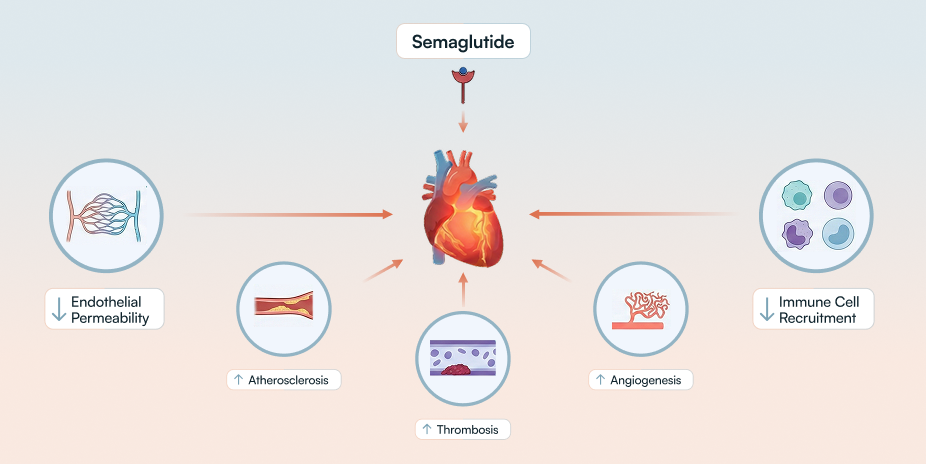
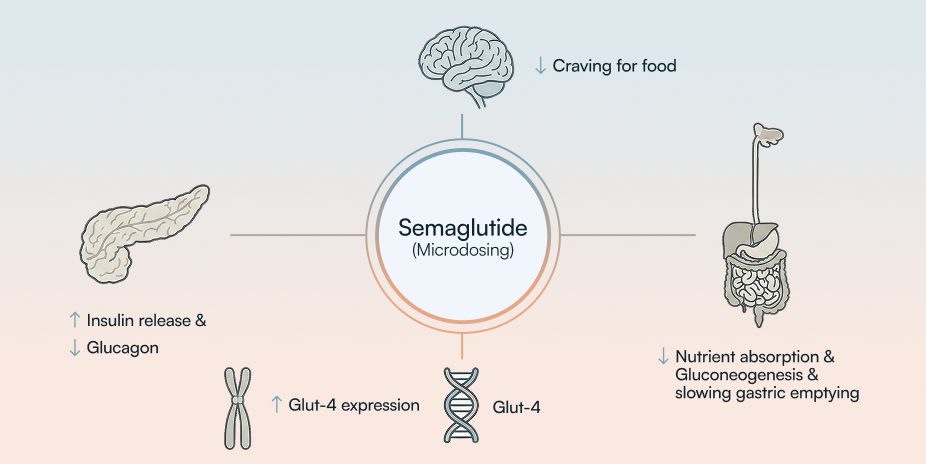
Semaglutide is a GLP-1 receptor agonist that mimics the hormone your body releases after eating. GLP-1 signals fullness, prompts insulin from the pancreas, and slows stomach emptying.
The result: you stay satisfied longer, eat less, and keep blood sugar stable.
Standard dosing follows a step-up schedule, increasing from 0.25 mg to 2.4 mg, as used in most trials. Microdosing, however, seeks and maintains the lowest effective dose.
Microdosing aims to help you reach and sustain weight loss by minimizing side effects and supporting long-term success. In addition to weight management, microdosing may offer alternative benefits, including improved metabolic health, enhanced mood, better blood sugar regulation, and cardiovascular support.
Why consider microdosing? Key considerations
Unlike the standard approach, which assumes that more medication is better, microdosing challenges the one-size-fits-all mindset. As Dr. Thomas Macsay, Medical Director at iThriveMD, explains:
Not every patient needs the maximum dose. The goal is to find the lowest effective dose that works for you. You may find microdosing GLP-1s also has other benefits for your body.
- Reduced Side Effects: Gastrointestinal problems, such as nausea, vomiting, diarrhea, and constipation, are less common at higher doses. Staying lower can help people stick with treatment and see results.
- Personalized Treatment: Your metabolism, hormones, and genetics are unique to you. A dose that works for someone else might be too much or too little for you. Microdosing allows fine-tuning based on how your body responds.
What does the research show? Current evidence
Most research focuses on standard and maximum doses. Large-scale studies on microdosing are lacking, so specific outcomes and long-term safety data for this approach are not well established. This doesn’t mean microdosing is ineffective; it means data is catching up to practice.
The findings from major trials are impressive. In the SELECT trial, participants taking semaglutide 2.4 mg weekly lost an average of 10.2% of body weight over four years—and that loss was sustained. Those who stayed on treatment lost an average of 11.7% of their body weight.
Beyond weight loss, SELECT demonstrated a 20% reduction in major cardiovascular events—heart attacks, strokes, and cardiovascular death—in people with obesity and established heart disease. This landmark finding led to the FDA approval of semaglutide for the specific reduction of cardiovascular risk.
The key message for microdosing: Semaglutide delivers benefits across doses. A well-tolerated lower dose may give better, more sustainable results than a higher dose you can’t maintain.
Benefits beyond the scale
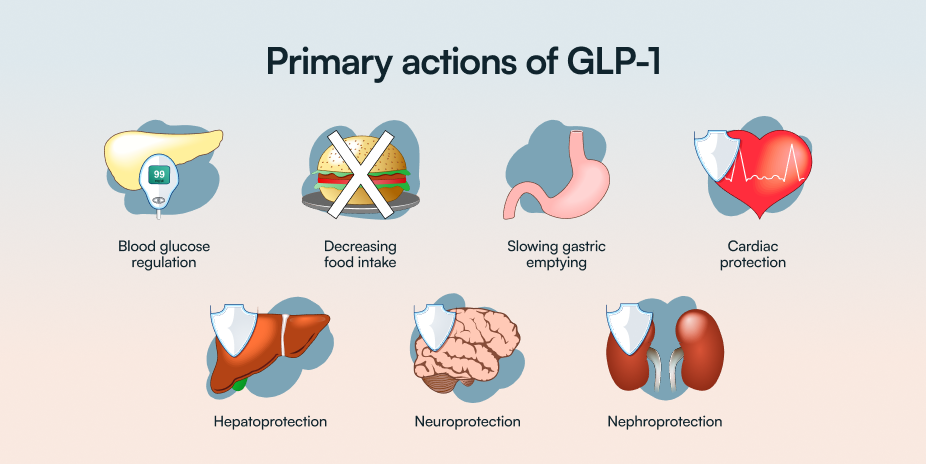
Weight loss is one appealing change, but semaglutide offers additional important benefits.
- Blood Sugar Regulation: Semaglutide was developed for the treatment of type 2 diabetes and remains highly effective in controlling blood sugar levels. It stimulates insulin and suppresses glucagon, maintaining stable glucose levels even in individuals with insulin resistance or prediabetes.
- Cardiovascular Health: The SELECT trial showed semaglutide lowered major cardiovascular events by 20% in those with obesity and heart disease, regardless of diabetes. It improved cholesterol levels, reduced blood pressure, and reduced waistlines by an average of 7.7 cm.
- Reduced Food Noise: Many patients describe a quieting of constant food thoughts: the mental chatter about what to eat, when to eat, and whether to resist the snack in the break room. This cognitive relief can be transformative for people who have struggled with willpower-based approaches.
- Anti-Inflammatory Effects: GLP-1 medications may reduce inflammation, address insulin resistance, and improve metabolic function by reducing visceral fat.
- Mitochondrial and Cellular Benefits: Microdosing GLP-1 agonists may enhance how your cells make energy and protect against cellular aging.
- Mood, Cognitive, and Metabolic Effects: Microdosing may support mood, cognition, and overall well-being by reducing inflammation and balancing hormones.
Who should consider microdosing? Ideal candidates
Microdosing isn’t for everyone. It’s not for those who haven’t tried lifestyle changes or who have certain health conditions.
Good candidates include people who:
- Have sincerely tried diet and exercise, but with no success.
- Tried higher GLP-1 doses but couldn’t tolerate side effects. Microdosing may provide benefits without the gastrointestinal distress associated with traditional dosing.
- Reached goal weight and want to maintain with less medication. Lower maintenance doses help prevent rebound while reducing drug exposure.
- Prefer a gradual and sustainable approach to weight management over rapid, short-term interventions.
Do not take semaglutide if you have:
- Personal or family history of medullary thyroid cancer or multiple endocrine neoplasia syndrome type 2 (MEN 2).
- Severe gastrointestinal conditions like gastroparesis or inflammatory bowel disease.
- History of pancreatitis.
- Pregnancy, breastfeeding, or actively trying to conceive.
Side effects and safety
Even at lower doses, semaglutide can cause side effects. The most common are:
- Gastrointestinal: Nausea, diarrhea, constipation, and stomach discomfort. These typically occur during the first few weeks and often improve with time.
- Muscle Loss Deserves Attention: When you lose weight by any method, some loss comes from muscle rather than fat. This is especially important for individuals over 40, who naturally lose muscle mass with age. Protect your muscles through resistance training and a balanced diet rich in protein. Most experts recommend 0.7 to 1 gram per pound of body weight daily.
- Rare but Serious Side Effects: Pancreatitis, gallbladder problems, and kidney issues. Your provider should monitor with regular check-ins and lab work.
Long-term safety data on microdosing is explicitly not available due to a lack of dedicated studies. Most studies examine standard doses over defined periods. Therefore, ongoing medical supervision is essential when using this approach, and results related to microdosing should be interpreted with caution until more targeted research becomes available.
Explore Microdose Tirzepatide at iThriveMD
At iThriveMD, our Microdose Tirzepatide program is designed around your individual needs. We combine medical supervision with personalized guidance to help you achieve sustainable results—without aggressive dosing that causes many people to quit.

Supporting natural metabolic function
This is where microdosing creates an opportunity; it enables you to build habits that support metabolic health independently. For many, the purpose isn’t to stay on medication forever but to use semaglutide as a tool while addressing underlying issues.
- Nutrition: Certain foods naturally stimulate GLP-1 release. High-fiber vegetables, legumes, and whole grains are essential for a healthy diet. Lean proteins and healthy fats, such as olive oil, avocados, and nuts, also support metabolic function. Focus on nutrient-dense foods rather than just cutting calories.
- Exercise: Physical activity improves insulin sensitivity and GLP-1 response. Combine aerobic exercise, such as walking, cycling, or swimming, with resistance training. Aim for 150 minutes of moderate aerobic activity per week, plus two sessions of strength training.
- Sleep and Stress: Poor sleep and chronic stress disrupt hormones that regulate appetite and metabolism. Prioritize sleep quality and stress management to enhance the effectiveness of any weight loss intervention.
How Microdosing works in practice
If you and your provider decide that microdosing is appropriate, the process usually begins simply: start at the lowest available dose, typically 0.25 mg per week.
- Monitor Your Response: Track changes in appetite, weight trends, and side effects. Less food noise? Feeling fuller after meals? The medication is working.
- Adjust Thoughtfully: Losing one to two pounds weekly with good tolerance? No need to increase. If progress stalls, a modest increase might help.
- Support with Lifestyle: Use the appetite suppression window to build better habits. Prioritize protein, vegetables, and whole foods. Continue exercising.
- Reassess Regularly: Work with your provider to determine if you can maintain results at a lower dose or if you can eventually taper off the medication.
Frequently asked questions
Bottom line
The essence of microdosing semaglutide is to find the most effective, lowest dose for you, minimize side effects, and achieve lasting metabolic improvements.
The clinical data are compelling. Meaningful improvements are possible across a range of doses. However, this approach works best as part of a comprehensive strategy that includes a balanced diet, regular exercise, and medical supervision.
- National Institutes of Health. 2025. Weight Reduction with GLP-1 Agonists.
- PubMed. 2024. Long-term weight loss effects of semaglutide.
- U.S Food & Drug Administration. 2024. FDA Approves First Treatment to Reduce Risk of Serious Heart Problems.
- National Institutes of Health. 2024. Semaglutide.
- PubMed Central. 2025. Food noise: definition, measurement, and future research directions.
- PubMed Central. 2024. Anti-inflammatory benefits of semaglutide.
- National Institutes of Health. 2025. Semaglutide Enhances Cellular Regeneration.
Categorized in:
Share Article:
Editorial standards
At iThriveMD™, we follow rigorous sourcing standards to ensure our content is accurate and up-to-date. We rely on trusted primary sources, including peer-reviewed research, academic institutions, and leading medical organizations. Our commitment is to provide reliable information you can trust. Notice an error? Reach out to us here.
This content is for informational purposes only and should not be viewed as a substitute for medical advice. It is essential to consult a healthcare provider for professional support. Always talk to your doctor to understand the risks and benefits of any treatment option.