GLP-1 medications, including semaglutide, may be considered after pregnancy, but timing and safety depend on individual recovery, health status, and whether you are breastfeeding. Most providers recommend waiting at least 6–12 weeks postpartum and only starting under medical supervision.
Content
Semaglutide Postpartum: Safely Losing Weight After Pregnancy


Reviewed by: Dr Thomas Macsay
Key takeaways
- Postpartum weight loss requires patience and careful planning.
- Semaglutide can be an option, but it needs medical approval.
- Healthy habits remain essential alongside any medication.
Many new mothers wonder how to approach weight loss after pregnancy. Semaglutide, a medication originally developed for diabetes and now widely used for weight management, has recently entered the conversation. But how safe is it after giving birth, and when is the right time to consider it?
Postpartum weight loss challenges
Weight loss after pregnancy often moves more slowly than expected. Shifts in hormones, disrupted sleep, and daily stress can affect both metabolism and eating habits, making postpartum recovery and weight management more complex.
Hormonal and metabolic changes after pregnancy
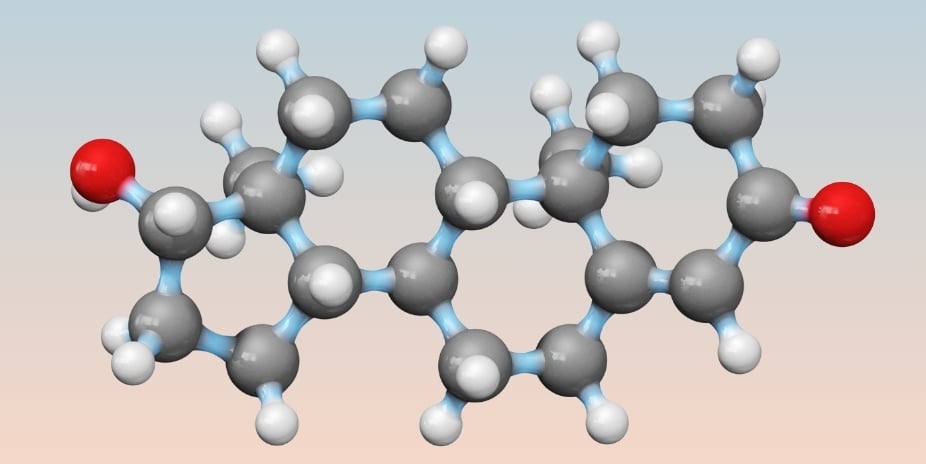
Hormones shift quickly after delivery. Levels of estrogen and progesterone drop, which can influence appetite, mood, and energy balance. At the same time, prolactin rises to support milk production, and this can increase hunger in some women.
Metabolic health also changes during this period. Insulin sensitivity, which often decreases in pregnancy, may take time to normalize. This can affect how the body processes glucose and stores fat.
Thyroid function may also fluctuate after birth. Some women develop temporary thyroid changes, which can either speed up or slow down metabolism. These shifts can make weight loss after pregnancy unpredictable.
Breastfeeding adds another layer. While it can increase calorie use, it also raises nutritional needs. This means that calorie restriction must be balanced with maintaining milk supply and overall health.
Common barriers to postpartum weight loss
- Limited time for exercise: Daily life with a newborn makes it difficult to find time for structured workouts.
- Sleep deprivation: Disrupted sleep can affect hunger hormones (like leptin and ghrelin), leading to increased cravings and poor food choices.
- High stress levels: Elevated cortisol levels may contribute to fat storage, particularly around the abdomen, and can slow down weight loss.
- Lack of support: Limited help from family or childcare resources can make meal planning and physical activity more difficult.
- Cultural and social pressures: The expectation to quickly return to pre-pregnancy weight can create frustration and promote unsustainable weight loss methods.
Semaglutide for postpartum weight management
Semaglutide can support postpartum weight loss by improving how the body regulates appetite and food intake. It may also help reduce the difficulty many new mothers face when trying to manage weight after pregnancy.
Benefits of Semaglutide after pregnancy
Many women experience slower metabolisms after pregnancy, hormonal shifts, and challenges with weight management. Semaglutide, a GLP-1 receptor agonist, works by mimicking natural hormones that regulate blood sugar and appetite. This helps the body use energy more efficiently while reducing excess weight over time.
Clinical studies show semaglutide can lead to steady weight reduction when combined with healthy eating and physical activity. For postpartum women, gradual progress is important to avoid sudden changes that could affect energy or recovery. Additionally, semaglutide has been shown to be safe for breastfeeding mothers, allowing them to prioritize their health without concerns for their baby’s safety.
Overall, semaglutide can be a valuable option for women looking for a structured approach to their postpartum weight loss journey. It supports metabolic health and encourages steady weight loss.
Appetite control and craving reduction
Cravings and increased hunger often make postpartum weight loss difficult. Semaglutide helps regulate appetite by acting on the brain’s hunger centers. This reduces the urge to snack or eat large portions, which can be especially helpful when adjusting to new routines after childbirth.
Safety considerations & medical guidance
Even if Semaglutide seems promising, medical guidance is non-negotiable. The postpartum period is delicate, and every woman’s recovery looks different.
Potential side effects and risks

Semaglutide can cause side effects that may affect postpartum recovery. Common issues include nausea, vomiting, diarrhea, and abdominal discomfort. These can interfere with hydration and nutrition, which are already important during recovery and breastfeeding.
Less common but more serious risks include pancreatitis, gallbladder problems, and low blood sugar when used with other diabetes medications. Weight loss itself may also affect energy levels, which can be challenging for new mothers adjusting to infant care.
Consulting healthcare providers
Medical guidance is essential before starting semaglutide after pregnancy. Providers usually recommend waiting at least 6–12 weeks postpartum, allowing time for healing and stabilization. The exact timing depends on the mother’s health, delivery type, and whether she is breastfeeding.
A provider can evaluate the risks and benefits based on personal health history, weight management goals, and infant feeding plans. They may also recommend lab monitoring to track blood sugar, liver function, and overall response to treatment.
When to seek guidance:
- Before restarting or beginning semaglutide.
- If breastfeeding and unsure about timing.
- When experiencing side effects or complications.
Frequently asked questions
Bottom line
Losing weight after giving birth can be difficult due to changes in hormones and lifestyle. Semaglutide may help with weight management by controlling appetite and enhancing metabolic health. However, it’s important to consult a healthcare provider before starting any treatment. Achieving sustainable weight loss also requires a balanced diet and regular exercise.
- PubMed Central. 2022. Clinical Insight on Semaglutide for Chronic Weight Management.
- National Library of Medicine. 2024. Subcutaneous Semaglutide during Breastfeeding.
Categorized in:
Share Article:
Editorial standards
At iThriveMD™, we follow rigorous sourcing standards to ensure our content is accurate and up-to-date. We rely on trusted primary sources, including peer-reviewed research, academic institutions, and leading medical organizations. Our commitment is to provide reliable information you can trust. Notice an error? Reach out to us here.
This content is for informational purposes only and should not be viewed as a substitute for medical advice. It is essential to consult a healthcare provider for professional support. Always talk to your doctor to understand the risks and benefits of any treatment option.