Menopause can make you feel tired even with adequate sleep due to the changes in hormone levels. Many women experience sleep disturbances and night sweats that negatively impact their quality of sleep. However, drinking coffee to perk up has downsides, too; research suggests that caffeine creates worse vasomotor symptoms in menopausal women.
Content
Menopause Symptoms: What Every Woman Needs to Know


Reviewed by: Dr Thomas Macsay
Key takeaways
- Menopause is a natural transition occurring around age 51, marked by declining hormone production and defined by 12 consecutive months without a period.
- Common symptoms include hot flashes, night sweats, irregular periods, mood changes, anxiety, memory issues, vaginal dryness, and urinary symptoms.
- Lifestyle modifications, including diet, exercise, and stress management, can effectively alleviate many menopause symptoms at home.
- Medical treatments like Hormone Replacement Therapy (HRT) and non-hormonal medications offer significant relief for more severe symptoms.
- Seeking medical advice is crucial for severe symptoms, early menopause, unusual bleeding, or concerns about long-term health effects like osteoporosis and cardiovascular disease.
As women approach midlife, a significant physiological transition known as menopause occurs, bringing with it a diverse array of symptoms. Vasomotor symptoms are among the most common issues encountered during this transitional phase, affecting approximately 75% to 80% of women, with variations in severity. Understanding these changes is crucial for effective management and maintaining optimal health during this natural phase of life.
What is Menopause?
Menopause marks the end of a woman’s reproductive years, signifying that she has not had a menstrual period for 12 consecutive months. This biological process is a natural part of aging and is characterized by a decline in the production of reproductive hormones, primarily estrogen and progesterone, by the ovaries. The average age of menopause onset in the United States is 51, though it can occur earlier or later for individual women.
The Menopause process

Menopause is a gradual transition rather than an abrupt change. It typically begins with perimenopause, a phase characterized by significant fluctuations in hormones and various symptoms. During this period, approximately 90% of women seek advice from healthcare providers to manage menopause symptoms.
Stages of Menopause
Menopause is broadly categorized into three stages:
- Perimenopause: This transitional phase leads up to menopause and can last an average of four years before menstruation stops completely. During perimenopause, the ovaries gradually produce less estrogen, which may result in irregular menstrual periods, hot flashes, and mood swings.
- Menopause: This is officially diagnosed when a woman has gone 12 consecutive months without a menstrual period. At this point, the ovaries have stopped releasing eggs, and estrogen production has significantly decreased.
- Postmenopause: This stage includes the years following menopause. While many acute symptoms may diminish, women in postmenopause face an increased risk for certain health conditions due to sustained low estrogen levels. However, studies indicate that postmenopausal women have a lower risk of developing breast cancer.
Common physical symptoms
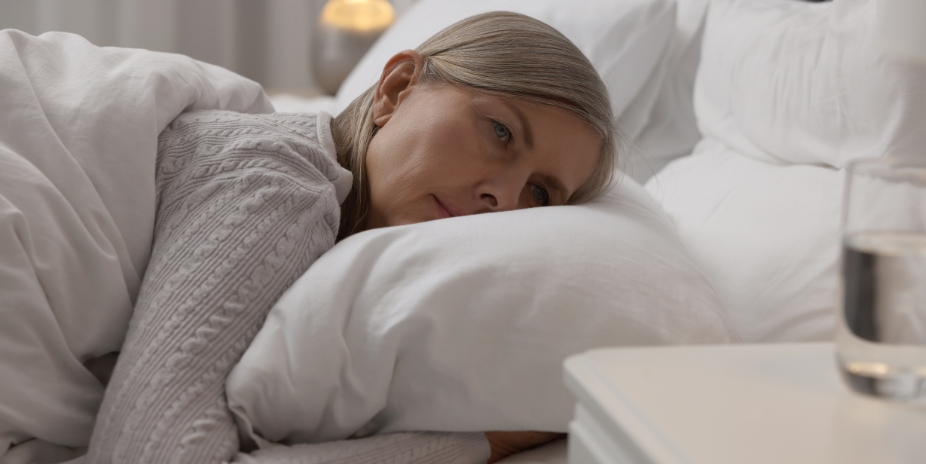
The decline in estrogen and progesterone during menopause can lead to a range of physical symptoms, varying in intensity and duration for each woman.
- Hot flashes: Hot flashes are one of the most widely recognized and disruptive menopause symptoms. They are sudden feelings of intense heat that spread through the body, often accompanied by sweating, reddening of the skin (especially on the face, neck, and chest), and sometimes chills. Hot flashes can range from mild warmth to severe, drenching sweats, and their duration can vary from a few seconds to several minutes.
- Night sweats: These hormones also affect how other hormones regulate body temperature. These changes can produce night sweats or hot flashes, which are an iconic symptom of menopause.
- Irregular periods: Irregular periods are a hallmark of perimenopause. The length of time between periods may become shorter or longer, flow can become lighter or heavier, and periods may be skipped altogether. This irregularity reflects fluctuating and declining hormone levels.
- Trouble falling asleep: Progestin is one of the hormones responsible for sleep, so as your progesterone levels drop in menopause, your ability to sleep may be hampered. This phase of life also marks several different lifestyle changes that may alter sleep schedules.
Emotional and cognitive symptoms
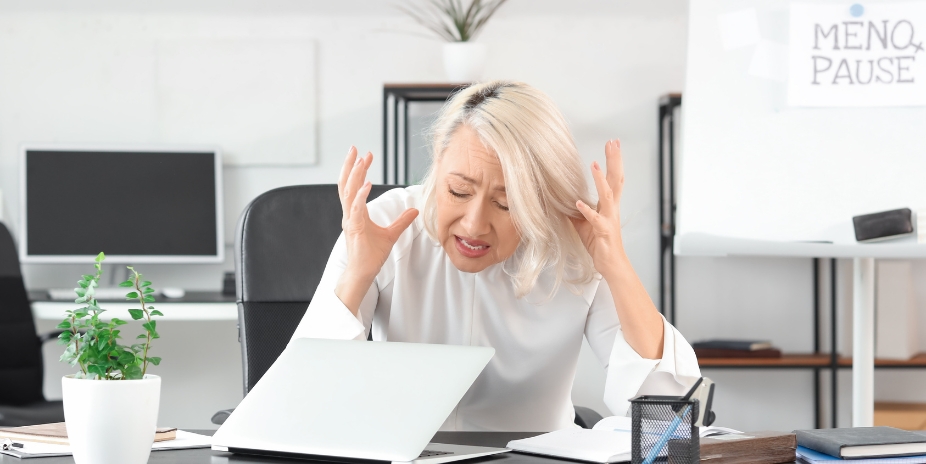
Beyond the physical manifestations, menopause can significantly impact a woman’s emotional well-being and cognitive function.
- Anxiety and depression: For some women, the hormonal shifts during menopause can trigger or exacerbate anxiety and depression. While not every woman will experience clinical depression, feelings of unease, nervousness, and persistent sadness are common.
- Mood changes: Fluctuating hormone levels, particularly estrogen, can contribute to increased irritability, anxiety, and feelings of sadness. These mood swings can be unpredictable and challenging to manage, affecting daily life and relationships.
- Memory and concentration issues: Often described as “brain fog,” many women report difficulties with memory, focus, and concentration during perimenopause and menopause. This can include forgetting words, misplacing items, or having trouble staying on task. These cognitive changes are thought to be linked to the impact of fluctuating estrogen on brain function.
Additional menopause symptoms
Menopause can affect various other bodily systems, leading to additional symptoms that may not be as widely discussed but can significantly impact the quality of life.
- Vaginal dryness: The decrease in estrogen leads to thinning, drying, and inflammation of the vaginal walls, a condition known as vaginal atrophy, leading to discomfort, itching, burning, and pain during sexual intercourse.
- Urinary symptoms: Estrogen decline can also affect the urinary tract, leading to symptoms such as increased urinary frequency and urgency and a higher susceptibility to urinary tract infections (UTIs). Some women may also experience stress incontinence, where urine leaks when coughing, sneezing, or laughing.
- Changes in Libido: Many women report a decreased sex drive or libido during menopause. This can be due to a combination of factors, including hormonal changes, vaginal dryness causing painful intercourse, and psychological factors like mood changes or fatigue.
Managing menopause symptoms at home
While medical interventions are available, many women can find significant relief from menopause symptoms through lifestyle adjustments and home-based strategies.
Lifestyle modifications

Adopting healthy lifestyle habits can play a crucial role in managing menopause symptoms:
- Keeping your environment cool, especially at night
- Regular exercise
- Stress management
- Quit smoking
- Limit alcohol and caffeine
Diet and nutrition
A balanced diet is essential for overall health during menopause:
- Stay hydrated: Drinking plenty of water can help regulate body temperature and reduce hot flash severity.
- Calcium and Vitamin D: Adequate intake of calcium and Vitamin D is crucial for bone health, as bone density can decrease significantly after menopause due to lower estrogen levels.
- Omega-3 fatty acids: Found in fatty fish, flaxseeds, and walnuts, omega-3s may support mood and cognitive function.
- Limit trigger foods: Spicy foods, caffeine, and alcohol can worsen hot flashes for some individuals. Identifying and limiting personal triggers can be beneficial.
Medical treatments and therapies

For women whose symptoms are severe and significantly impact their quality of life, medical interventions can provide effective relief.
- Hormone replacement therapy (HRT): Hormone replacement therapy, also known as Menopausal Hormone Therapy (MHT), involves administering estrogen to replace what the body no longer produces during menopause. HRT is highly effective in alleviating symptoms associated with menopause. For women who have an intact uterus, progesterone is typically prescribed alongside estrogen to protect the uterine lining from potential overgrowth. The decision to use HRT should be made in consultation with a healthcare provider, taking into account the individual benefits and risks involved.
- Non-hormonal medications: For women who cannot or choose not to use hormone replacement therapy (HRT), several non-hormonal medications can help manage specific symptoms. These include antidepressants, gabapentin, clonidine, vaginal moisturizers and lubricants, and ospemifene.
When to seek medical advice
While menopause is a natural transition, it’s important to consult a healthcare professional if:
- Your menopause symptoms are severe and significantly disrupt your daily life, sleep, or emotional well-being.
- You experience menopause symptoms before the age of 45 (early menopause) or before 40 (premature ovarian insufficiency), as this may have different health implications.
- You notice any unusual bleeding after menopause (defined as 12 consecutive months without a period).
- You are concerned about the long-term health effects of menopause.
A healthcare provider can offer an accurate diagnosis, discuss options for managing symptoms, and help you navigate this transition safely and comfortably.
Frequently asked questions
Bottom line
Menopause is a significant and often challenging, yet entirely natural, phase in a woman’s life. Understanding the wide array of symptoms—from the well-known hot flashes and mood swings to less discussed issues like vaginal dryness and cognitive changes—is the first step toward effective management. The good news is that women have numerous options, combining self-care strategies with professional medical treatments, to navigate this transition more comfortably and maintain their quality of life.
Empowering yourself with knowledge about menopause symptoms, available treatments, and when to seek medical advice is essential. By taking an active role in managing your health during this period, you can mitigate discomfort, address potential long-term health risks, and embrace this new stage of life with confidence and well-being.
- National Institutes of Health. 2023. Menopause.
- PubMed Central. 2016. Perimenopause: From Research to Practice.
- PubMed Central. 2019. Management of the Perimenopause.
- PubMed Central. 2014. A comparative study of pre- and post-menopausal breast cancer.
- PubMed Central. 2024. Hormone replacement therapy for menopausal mood swings and sleep quality.
- PubMed Central. 2019. The Dynamics of Stress and Fatigue across Menopause.
Categorized in:
Share Article:
Editorial standards
At iThriveMD™, we follow rigorous sourcing standards to ensure our content is accurate and up-to-date. We rely on trusted primary sources, including peer-reviewed research, academic institutions, and leading medical organizations. Our commitment is to provide reliable information you can trust. Notice an error? Reach out to us here.
This content is for informational purposes only and should not be viewed as a substitute for medical advice. It is essential to consult a healthcare provider for professional support. Always talk to your doctor to understand the risks and benefits of any treatment option.