The cost of NAD+ therapy can vary significantly, typically ranging from several hundred to over a thousand dollars per session. This variation in pricing is influenced by factors such as the provider, the therapy method utilized (for instance, intravenous therapy), and the duration of treatment.
Content
What is NAD+ Therapy: Science-Backed Health Benefits


Reviewed by: Dr Thomas Macsay
Key takeaways
- NAD+ is a vital coenzyme found in all living cells, essential for powering metabolic processes, energy production, and DNA repair.
- NAD+ is a vital coenzyme found in all living cells, essential for powering metabolic processes, energy production, and DNA repair.
- Various delivery methods exist, including IV infusions for rapid absorption, injections for targeted delivery, and oral precursors like NR and NMN.
- NAD+ therapy is generally well-tolerated, but cost varies, and it’s not suitable for everyone, including those with severe kidney/liver disease or pregnant/breastfeeding women.
NAD stands for nicotinamide adenine dinucleotide. All living cells have this coenzyme, and it plays a major role in the work to power metabolic processes. Scientists discovered and started studying NAD in the early 1906s, but only recently has the medical field begun to understand its benefits and wellness potential.
What is NAD+ therapy?
NAD+ therapy is a wellness treatment designed to replenish the body’s levels of nicotinamide adenine dinucleotide (NAD+), an essential coenzyme present in every cell.
Research indicates that restoring NAD+ serves as a critical therapeutic target with the potential to address various hallmarks of cellular aging. This therapy not only significantly impacts skin aging but also shows promise in enhancing multiple facets of age-related decline throughout the body, encompassing both mental and physical health.
Clinical research and evidence
NAD+ therapy is studied through several clinical trials that focus on its effects in different diseases and conditions. Research also explores how well NAD+ and its precursors are absorbed and processed in the body. Understanding these details helps improve treatment strategies.
Summary of clinical trials
Clinical trials have tested NAD+ therapy for conditions like Parkinson’s disease, heart health, and aging. Some studies report that NAD+ precursors may help improve cellular energy and reduce symptoms linked to aging and metabolic disorders. However, results vary by condition and trial design.
Many trials are still ongoing, and evidence is not yet strong enough to confirm broad clinical benefits. Most research focuses on safety and basic effectiveness. Larger, longer-term studies are needed to fully understand which patients benefit most and how therapy should be applied.
Evaluating the safety of NAD+ therapy
Evaluating the safety of Nicotinamide Adenine Dinucleotide (NAD+) therapy is crucial given its growing application in various health and wellness contexts. While NAD+ is a vital coenzyme naturally present in all cells and integral to energy production, DNA repair, and cellular regeneration, its exogenous administration requires careful consideration.
Current data, primarily from preclinical studies and emerging human trials, generally suggest that NAD+ therapy, particularly through precursors like Nicotinamide Riboside (NR) and Nicotinamide Mononucleotide (NMN), is well-tolerated with a favorable acute safety profile.
How does NAD+ therapy work?
NAD+ therapy helps improve how cells produce energy and maintain important functions. It focuses on boosting the natural molecules that support the body’s energy metabolism and cell repair. This influence can affect both the overall energy levels and the health of cellular mitochondria.
Mechanisms of action
NAD+ acts as a key coenzyme in many chemical reactions inside the cell. It helps transfer electrons during energy-producing processes, which are vital for converting food into usable energy. NAD+ also supports DNA repair and controls how cells respond to stress.
Therapy aims to enhance these processes by increasing NAD+ levels. This can help cells maintain function under stress and support better cellular communication. It also influences enzymes called sirtuins, which regulate aging and inflammation. These combined effects are how NAD+ therapy targets cellular health at a molecular level.
Cellular metabolism
Cellular metabolism depends heavily on NAD+ to keep energy production efficient. NAD+ levels control mitochondrial function, the part of the cell where energy (ATP) is made. When NAD+ is low, mitochondria work less effectively, leading to reduced energy and cell damage.
NAD+ therapy tries to restore optimal NAD+ amounts inside cells. This helps increase energy metabolism by improving how mitochondria convert nutrients into energy. Enhanced mitochondrial activity helps cells perform better and supports the body’s overall energy needs, especially during recovery or aging.
Types of NAD+ therapy
NAD+ therapy is mainly delivered through methods that provide the body with NAD+ directly or stimulate its production. Each method has different convenience levels, delivery speeds, and effects based on how NAD+ enters the bloodstream.
IV NAD+ therapy

IV NAD+ therapy uses intravenous infusions to deliver NAD+ directly into the bloodstream. This method allows for rapid absorption and higher concentrations compared to oral supplements. It is often called NAD+ IV drips or NAD+ infusions.
The process typically takes several hours, during which a healthcare professional administers the NAD+ via an IV drip. This method is chosen for its ability to bypass the digestive system and provide efficient dosing. IV NAD+ therapy is used for conditions where fast and controlled NAD+ delivery is needed.
The therapy requires a clinic visit and professional supervision, limiting convenience for some. However, it can provide better bioavailability and is often preferred for treating severe fatigue or mitochondrial issues.
NAD+ injections
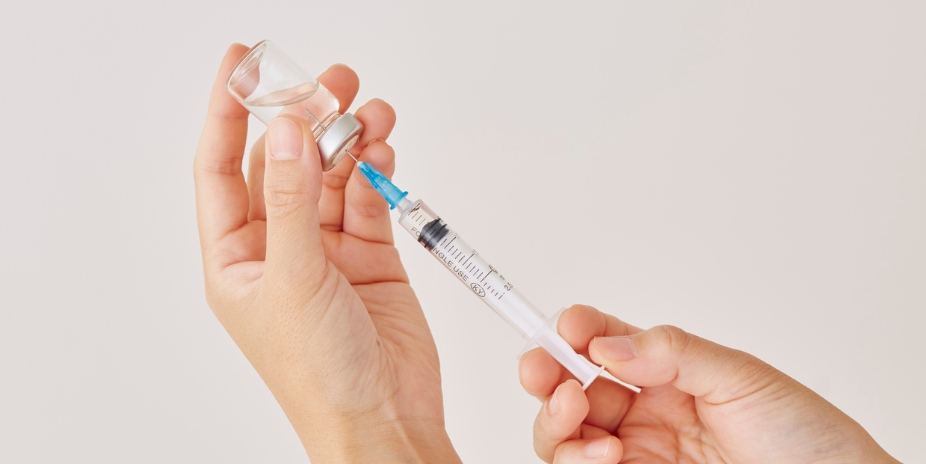
NAD+ injections involve delivering NAD+ by hypodermic needle, usually into a muscle. This method provides a quicker administration than an IV drip and is less time-consuming.
Injections offer targeted delivery but may not achieve the same blood levels as IV infusions. They are sometimes used when IV therapy is not practical or for smaller, maintenance doses.
While injections are more convenient for short sessions, they require frequent administration to maintain NAD+ levels. Injections are less common than IV drips, but still play a role in NAD+ therapy options.
NAD+ precursors and supplementation
NAD+ therapy often uses precursors to boost NAD+ levels in the body. These precursors include different forms of vitamin B3 that the body converts into NAD+. Each precursor has unique properties and effects on health and aging.
- Nicotinamide Riboside (NR): A form of vitamin B3 that directly raises NAD+ levels. It is considered safe and bioavailable, meaning the body can easily absorb and use it. Studies show NR supplementation may support healthy aging and protect brain function.
- Nicotinamide Mononucleotide (NMN): A close relative of NR and another NAD+ precursor. It is one step closer to NAD+ in the conversion process, which may make it an efficient way to boost NAD+.
- Niacin and Nicotinamide: Well-known forms of vitamin B3 used to support NAD+ production. Niacin is also used to manage cholesterol levels, while nicotinamide mainly helps maintain cellular health.
Frequently asked questions
Bottom line
NAD+ therapy shows significant promise in enhancing cellular health, energy metabolism, and combating age-related decline by replenishing this vital coenzyme. While research continues to evolve, initial findings suggest its potential to improve well-being across various aspects, from mental clarity to physical vitality.
It’s crucial to approach NAD+ therapy with informed caution. While generally considered safe, factors such as cost, individual health conditions, and the need for professional oversight should be carefully weighed. Consulting a healthcare professional is paramount to determine if NAD+ therapy is a suitable and beneficial option for your specific health needs as more extensive clinical trials emerge.
- PubMed Central. 2018. NAD and The Aging Process.
- PubMed Central. 2021. The Role of NAD+ in Regenerative Medicine.
- PubMed Central. 2022. The Role of Kynurenine Pathway and NAD+ Metabolism in Myalgic Encephalomyelitis/Chronic Fatigue Syndrome.
- PubMed Central. 2023. The Central Role of the NAD+ Molecule in the Development of Aging and the Prevention of Chronic Age-Related Diseases.
- PubMed Central. 2021. Role of NAD+ in regulating cellular and metabolic signaling pathways.
- PubMed Central. 2021. Pharmacology and Potential Implications of Nicotinamide Adenine Dinucleotide Precursors.
- Verywellhealth. 2025. Nicotinamide Riboside Benefits and Anti-Aging Properties.
Categorized in:
Share Article:
Editorial standards
At iThriveMD™, we follow rigorous sourcing standards to ensure our content is accurate and up-to-date. We rely on trusted primary sources, including peer-reviewed research, academic institutions, and leading medical organizations. Our commitment is to provide reliable information you can trust. Notice an error? Reach out to us here.
This content is for informational purposes only and should not be viewed as a substitute for medical advice. It is essential to consult a healthcare provider for professional support. Always talk to your doctor to understand the risks and benefits of any treatment option.