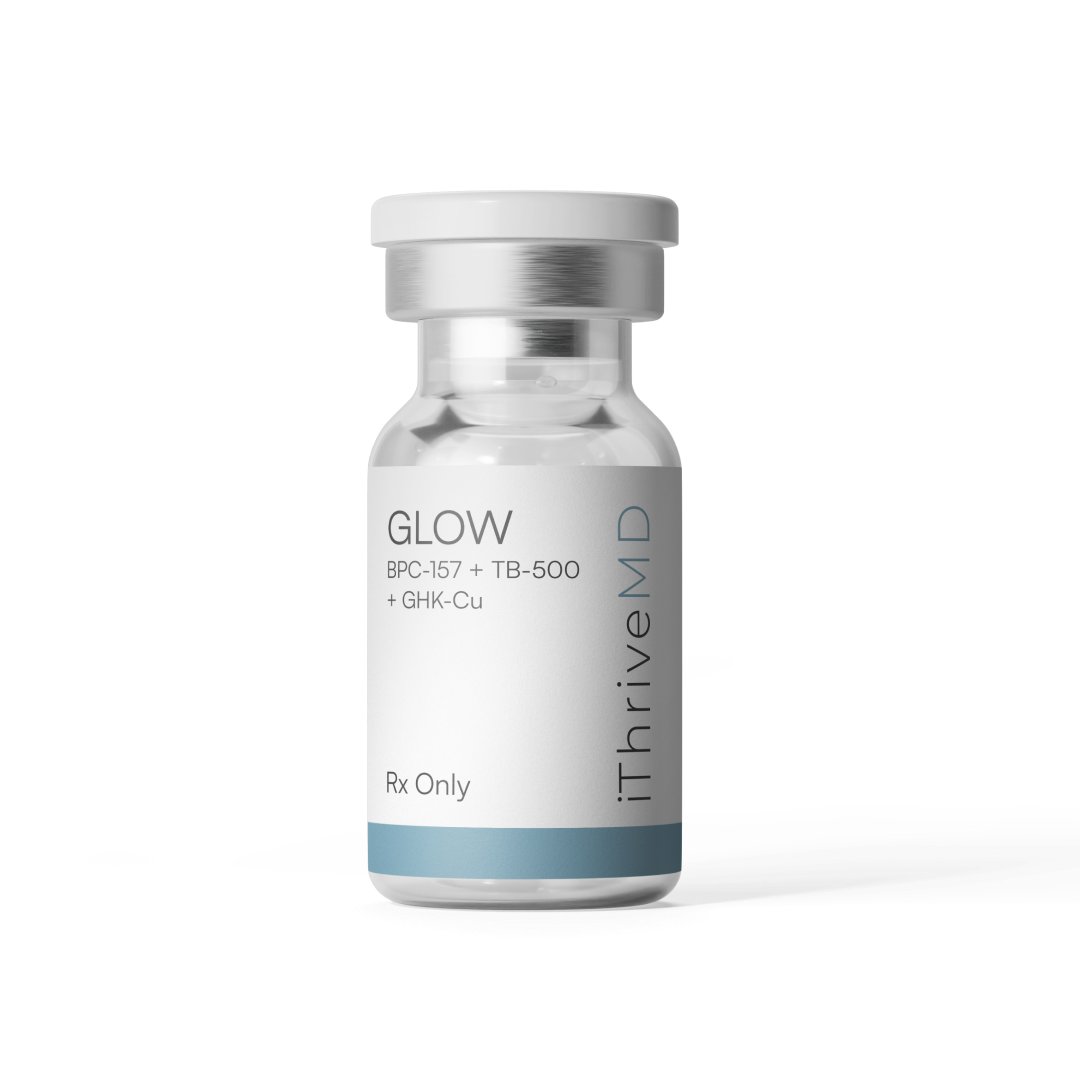
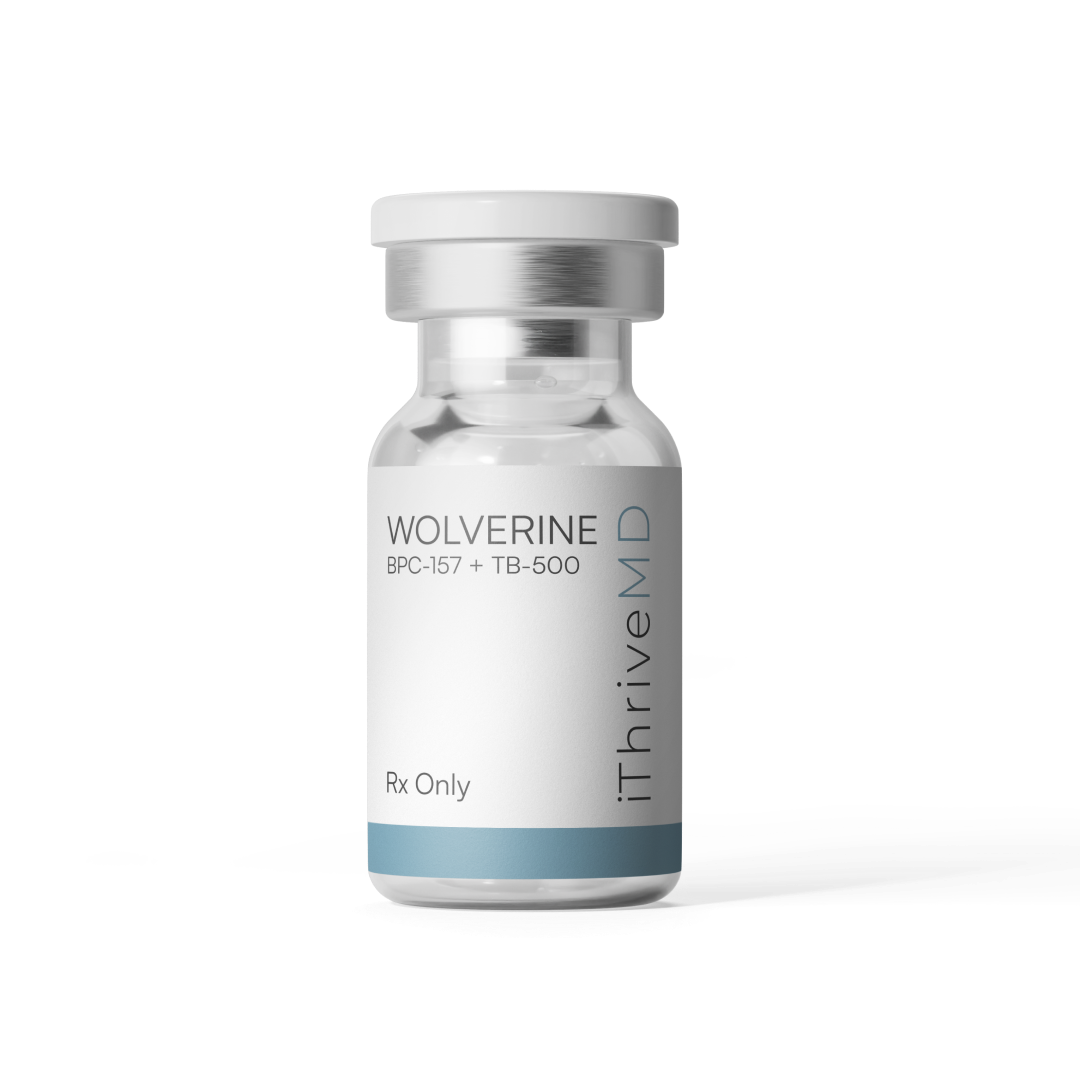
BPC-157 (Body Protection Compound-157) is a peptide made up of 15 amino acids, derived from a protein found in human gastric juice. Since the early 1990s, this synthetic peptide has been researched for its potential in tissue repair, wound healing, and musculoskeletal recovery.
Fifteen amino acids. Six recovery pathways. Here’s how BPC-157 works across multiple biological systems simultaneously.
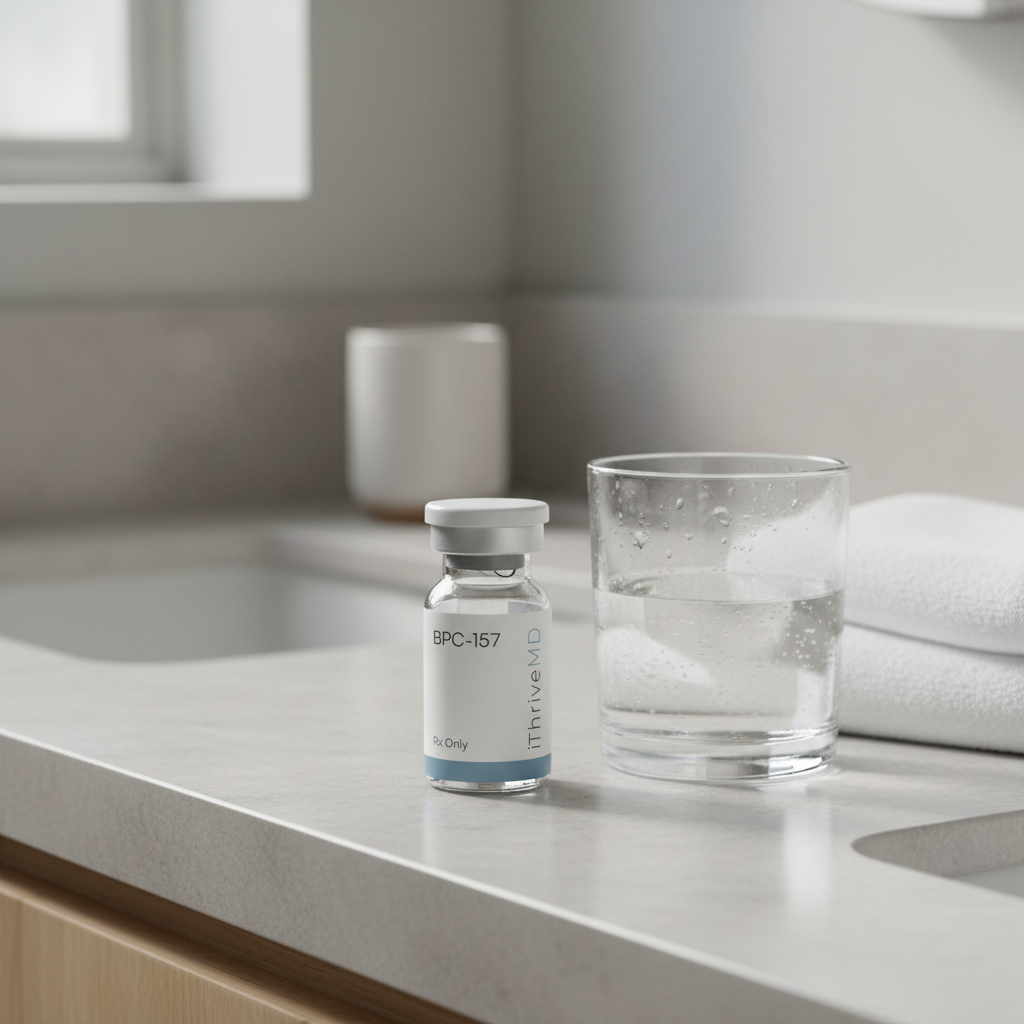
Response time varies by individual and the condition being addressed. Some patients report noticing changes within 2–4 weeks of consistent use. Your provider will monitor your progress and adjust your protocol as needed.
The most commonly reported side effects are mild: injection site redness, localized swelling, and transient discomfort. Preclinical studies across a wide range of dosing have not identified significant organ toxicity. Your provider will review your specific risk factors during your consultation.
Preclinical studies have not demonstrated hepatotoxicity or nephrotoxicity with BPC-157 across the studied dosing ranges. BPC-157 is primarily eliminated through renal excretion, with the highest concentrations observed in the kidneys, liver, and bile. Your provider may monitor liver and kidney function as part of your standard lab work.
BPC-157 has been studied for its effects on cardiovascular tissue in preclinical models, particularly through its angiogenic and nitric oxide signaling pathways. However, these applications remain investigational. Patients with cardiovascular concerns should discuss their full medical history with their provider.
BPC-157 and TB-500 are both peptides studied for tissue repair, but they work through different mechanisms. BPC-157 primarily drives angiogenesis and cellular repair signaling (VEGF, AKT, nitric oxide pathways), while TB-500 promotes cell migration and tissue remodeling by sequestering G-actin. Many providers combine them in a Wolverine Stack for complementary recovery support.
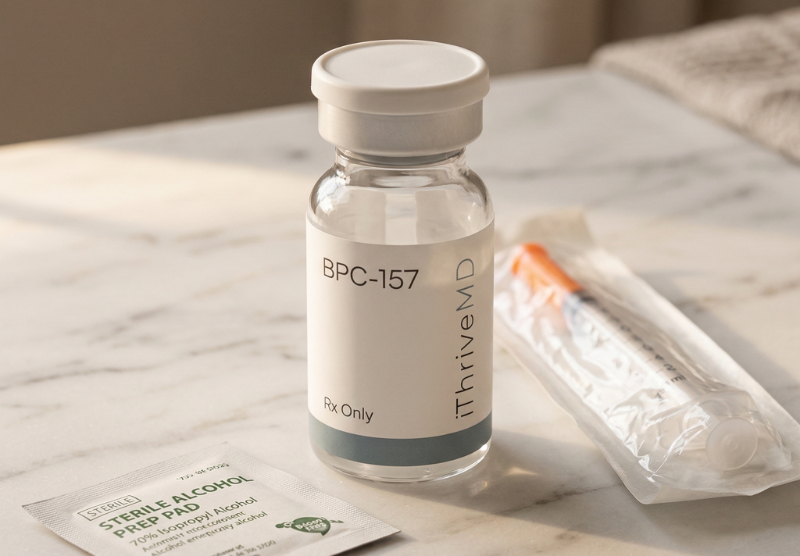
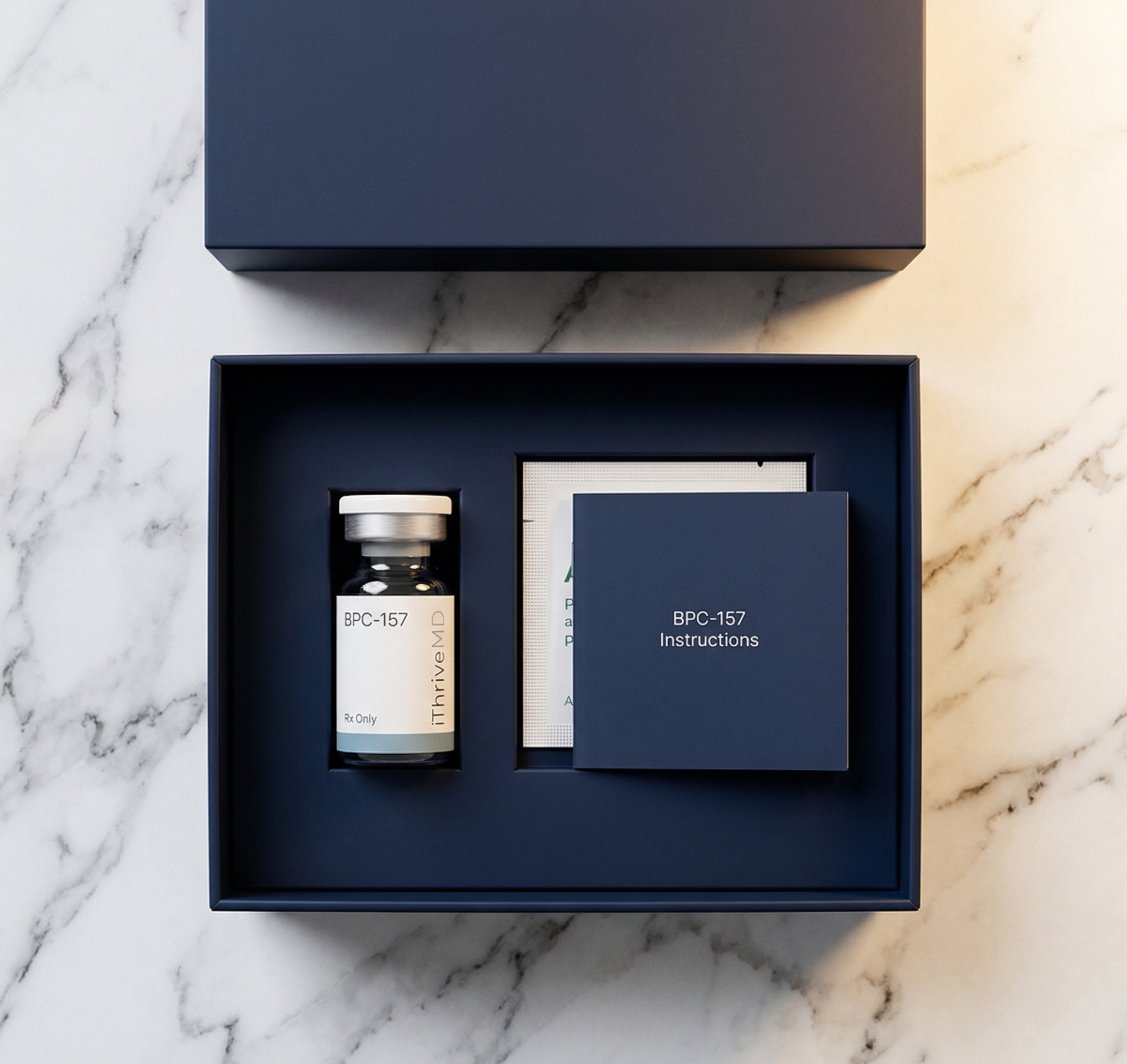
Yes. At iThriveMD, all peptide therapy requires a medical evaluation and provider prescription. BPC-157 is compounded in our sterile cleanroom facility and is not available over the counter.
BPC-157 has been studied across a wide dosing range (6 mcg/kg to 20 mg/kg) in preclinical models for up to 6 weeks, with no reported acute toxicity, organ damage, hepatotoxicity, nephrotoxicity, mutagenicity, or genotoxicity.
*Long-term human safety data remains limited. Your provider will evaluate whether BPC-157 is appropriate for you based on your complete medical history.*
“I’ve lost 31 pounds, and my sleep is fantastic!”

Love the staff and all the amazing encouragement and most definitely the results of the weight loss medication!

The Doctors here are very knowledgeable and friendly. I have been comming here for 5 months and have had such amazing weight loss! I highly recommend I Thrive MD.

They are very good at explaining & guiding me in the direction I should go with procedures without “selling”, which I super appreciate.

I had my first visit at IThrive Encinitas and I am happy I did! The facility was well maintained, clean and bright and as soon as I arrived I was greeted by 2 very polite and professional Receptionists.

The Dr was very thorough and patiently answered all my questions. My first visit was awesome!

I couldn’t be more thankful for iThriveMD! Since I started my journey mid October I’ve lost 25 pounds and feel like a new person! I have way more energy and don’t feel uncomfortable in my own skin anymore.

Their new wellness center in Mission Valley is awesome! So calming and comfortable from the moment you walk in.

I have been coming to iThriveMD ever since they opened up and I am obsessed! This is like my new wellness place that I enjoy coming to when I am feeling down and need to be lifted up!

I’ve been on it for 3 months and lost35 pounds. Fortunately I had no negative side effects. I feel great. Everyone here was very polite and very welcoming.

Great location! Exceptional staff! I truly feel taken care of here! 10/10 recommend.