Thymosin alpha-1 is a peptide your body naturally produces in the thymus gland to help train and activate your immune system. As you age, your thymus shrinks — and with it, your body's ability to mount a strong immune response. Ta1 therapy is designed to support what your immune system can no longer do on its own, helping you stay resilient, recover faster, and maintain the vitality you're used to.
Thymosin Alpha-1 has been studied for its activity across several key biological pathways relevant to immune modulation, T-cell maturation, and systemic immune resilience:
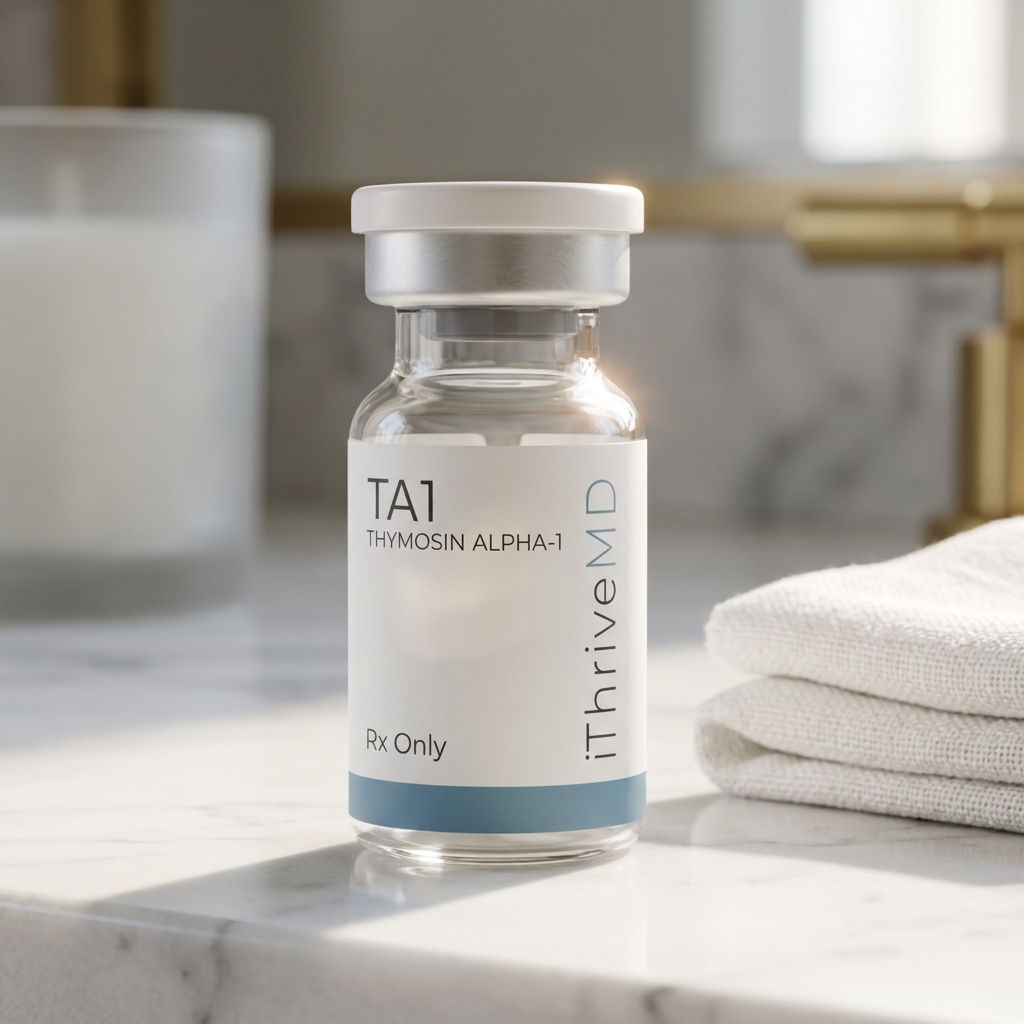
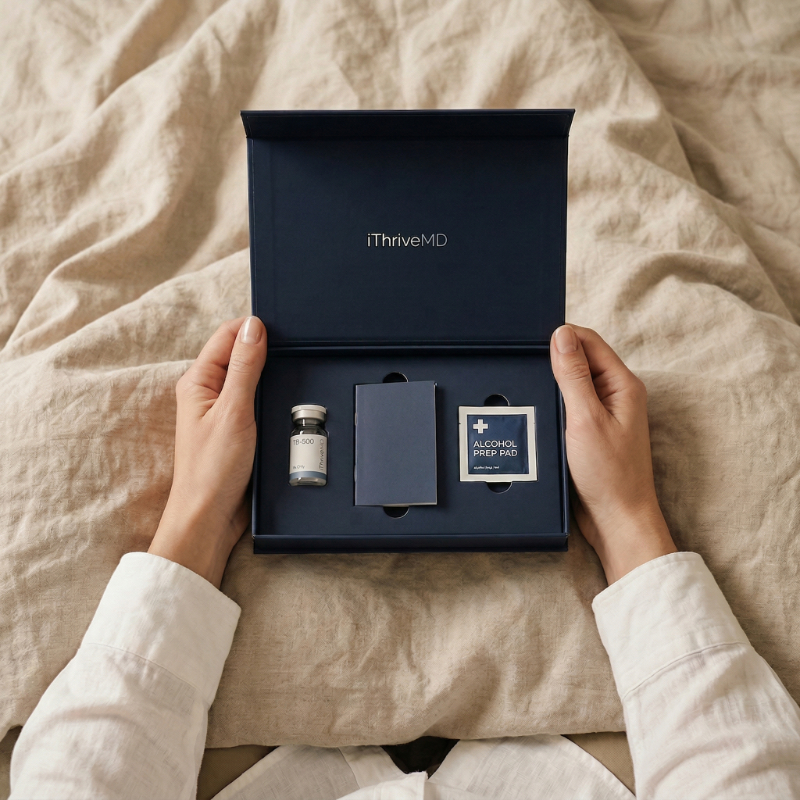

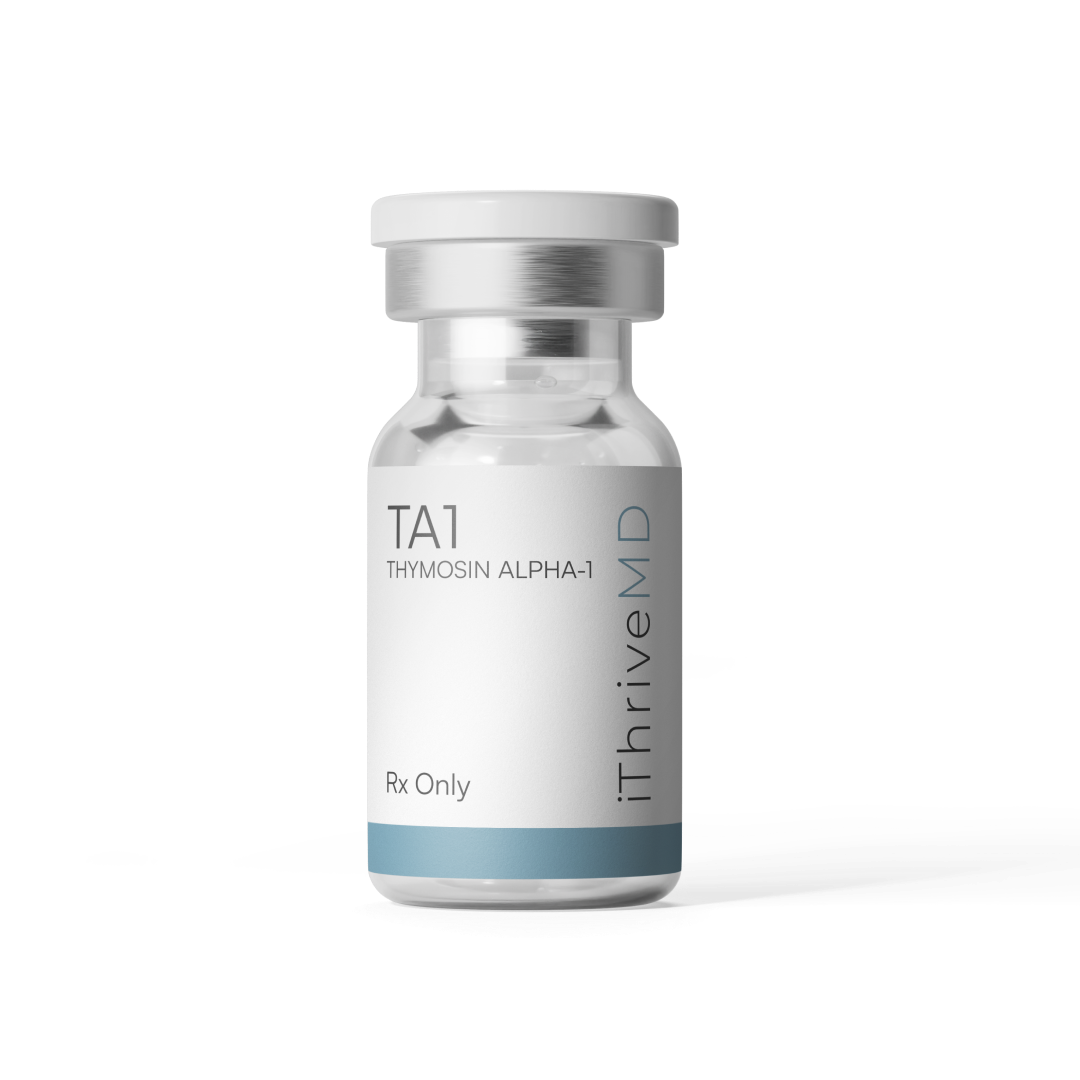
Thymosin Alpha-1 is a peptide that has been studied for its role in immune modulation. It may support the maturation of T-cells, enhance natural killer (NK) cell activity, and improve overall immune signaling. Internationally, it is known as Zadaxin and is used for immune support. At iThriveMD, your provider will assess whether Thymosin Alpha-1 is appropriate for your specific immune health needs.
Thymosin Alpha-1 has a well-documented safety profile, supported by over 40 years of research and international use. However, it is not suitable for everyone. Individuals with active malignancies, organ transplants, or those who are pregnant or breastfeeding should avoid using Thymosin Alpha-1. A thorough medical evaluation is necessary before considering its use.
Immune modulation is a gradual process. Ta1 functions by supporting the maturation and effectiveness of immune cells over time, rather than providing immediate results. Most patients are assessed over a period of weeks to months, with their progress monitored through subjective reports and objective laboratory markers.
No. Thymosin Alpha-1 and TB-500 are completely different peptides with different structures and applications. Ta1 is a 28-amino-acid thymic peptide for immune modulation. TB-500 is a fragment of thymosin beta-4 for tissue repair and cell migration. Despite sharing “thymosin” in the name, they serve entirely different functions.
Response times can vary among patients. Some individuals notice changes in energy and resilience within 4 to 8 weeks. However, measurable improvements in immune markers may take longer and will be evaluated through follow-up laboratory tests. Your healthcare provider will monitor your progress throughout the protocol.
The most commonly reported side effects are mild and localized: injection site redness, swelling, and temporary discomfort. Some patients may experience mild fatigue during the initial adjustment period. Serious adverse events have been rare in clinical studies.
“I’ve lost 31 pounds, and my sleep is fantastic!”

Love the staff and all the amazing encouragement and most definitely the results of the weight loss medication!

The Doctors here are very knowledgeable and friendly. I have been comming here for 5 months and have had such amazing weight loss! I highly recommend I Thrive MD.

They are very good at explaining & guiding me in the direction I should go with procedures without “selling”, which I super appreciate.

I had my first visit at IThrive Encinitas and I am happy I did! The facility was well maintained, clean and bright and as soon as I arrived I was greeted by 2 very polite and professional Receptionists.

The Dr was very thorough and patiently answered all my questions. My first visit was awesome!

I couldn’t be more thankful for iThriveMD! Since I started my journey mid October I’ve lost 25 pounds and feel like a new person! I have way more energy and don’t feel uncomfortable in my own skin anymore.

Their new wellness center in Mission Valley is awesome! So calming and comfortable from the moment you walk in.

I have been coming to iThriveMD ever since they opened up and I am obsessed! This is like my new wellness place that I enjoy coming to when I am feeling down and need to be lifted up!

I’ve been on it for 3 months and lost35 pounds. Fortunately I had no negative side effects. I feel great. Everyone here was very polite and very welcoming.

Great location! Exceptional staff! I truly feel taken care of here! 10/10 recommend.